
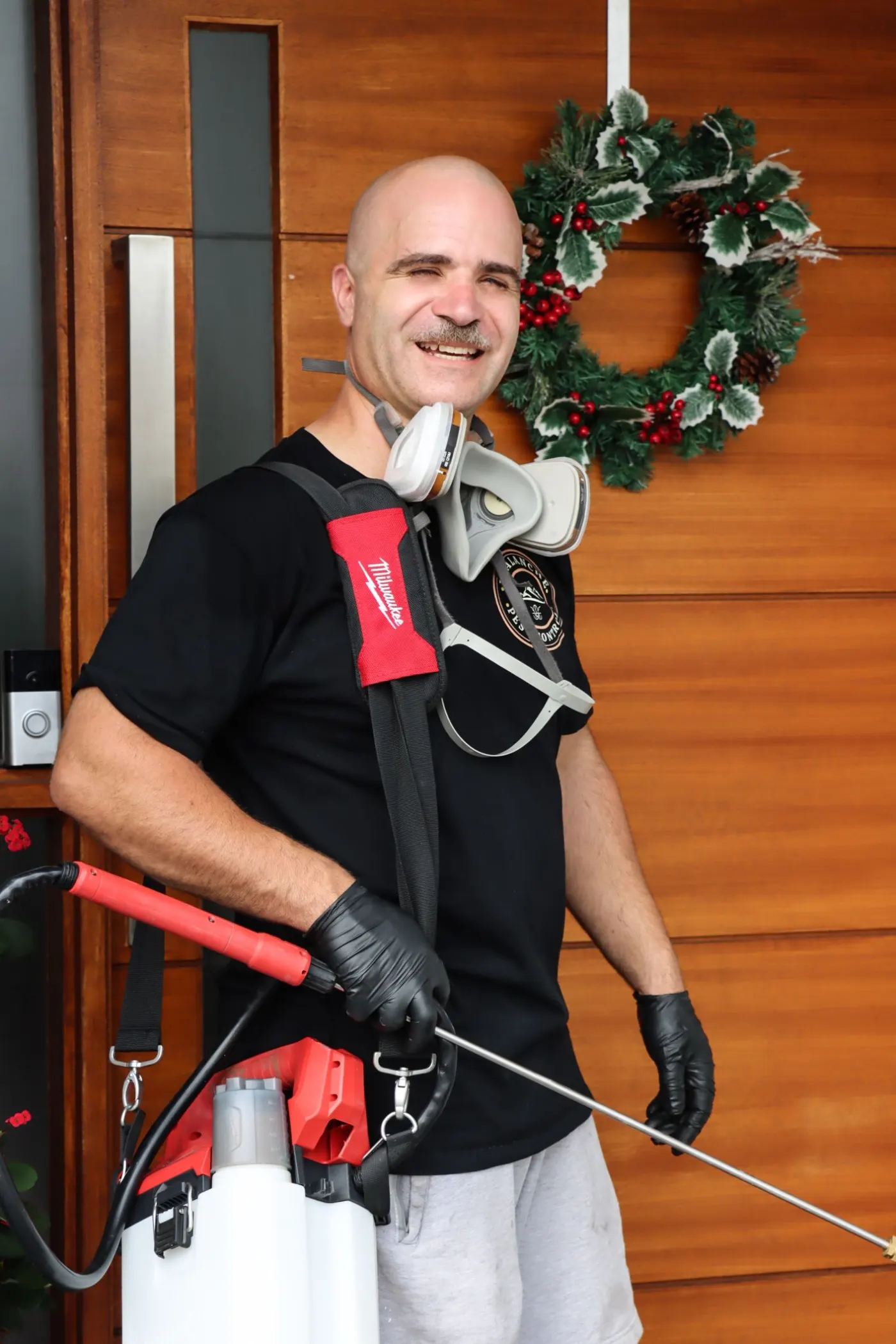
Bed bugs travel. They come home in luggage, in a second-hand couch, in a mattress off Marketplace, and from the flat next door through the wall. We treat them in family homes, rentals, share houses and short-stay accommodation across the Illawarra, and the honest first thing to say is that it's one of the harder jobs in pest control. It gets done, but it gets done properly or not at all.
First, the inspection
Bed bugs hide within a couple of metres of where people sleep. We go through the mattress seams and buttons, the base, the bed frame joints and screw holes, the bed head, skirting boards, the back of the bedside table, picture frames, and the carpet edge. We're looking for live bugs, the black ink-spot droppings, shed skins and eggs.
The inspection tells us two things: whether it's bed bugs at all (it isn't, sometimes) and how far it's spread. A single bed with a few bugs in the seam and a whole flat with them behind the skirting in three rooms are very different jobs, and we quote after the look, not before.
Then the treatment
Treatment covers everything the inspection found and everything within reach of it: the mattress and base, the frame, the skirting, furniture in the room, and the edges of the floor. We use a combination of residual treatments for the harbourages and a direct treatment for what's visible, and we'll talk you through what's been used and when the room can be slept in again.
A follow-up visit two to three weeks later is standard. Eggs survive most treatments and the second visit catches the hatch.
Your part of the job
This is the bit that decides whether it works. Before we come:
- Wash all bedding, clothing from the bedroom and soft toys at 60 degrees or tumble dry hot, then seal it in bags until after the treatment.
- Empty bedside drawers and wardrobe floors.
- Pull furniture away from the walls and clear the floor.
- Vacuum thoroughly and bin the bag outside.
- Don't move anything to another room, and don't put the mattress out on the kerb.
Units, rentals and short-stay
If you're in a unit and the bugs are coming through from next door, treating your place alone buys time, not a fix, and the strata or agent needs to hear about it. For rentals and short-stay hosts we can inspect between guests or tenants, and we'll put the findings in writing for the agent or the platform. Fleas after a tenancy are a different job, covered under flea control.
Common questions
- How do I know if it's bed bugs?
- Look at the mattress seams, the bed frame joints and the skirting behind the bed head with a torch. You're looking for the bugs themselves, flat and apple-seed sized, rusty brown, plus black ink-spot droppings and pale shed skins in the seams. Bites alone don't confirm it; plenty of things bite at night. If you find the droppings, it's bed bugs.
- How do I prepare for a bed bug treatment?
- Strip the beds and wash everything at 60 degrees or run it through a hot dryer, then bag it. Empty the bedside drawers and pull the bed and furniture 30 cm off the walls. Vacuum the mattress, frame and floor edges and bin the bag outside. Don't move furniture or bedding to other rooms, that's how they spread. We'll send the full list when you book.
- Do I need to throw the mattress out?
- Usually not. A mattress can be treated and encased. Throwing it out spreads the bugs down the hallway and onto the kerb, and the ones living in the bed frame, the skirting and the bedside table stay behind anyway. Save the money for the treatment.
- How many treatments does it take?
- Usually two, a couple of weeks apart. Bed bug eggs are hard to kill with any treatment, so the second visit catches what hatches after the first. Heavy infestations or units where the neighbours are affected can take more. We'll tell you what we found and what we expect at the first visit.